A comprehensive guide to cataracts, what causes them, how to identify symptoms, and the available treatment options to restore vision.

Cataracts are a common eye condition, especially in older adults, leading to blurry vision, and if left untreated, can cause blindness. However, with timely diagnosis and effective treatment options, cataracts are highly manageable. In this blog, we’ll explore the causes, symptoms, and treatment of cataracts, along with answers to frequently asked questions.
What Are Cataracts?
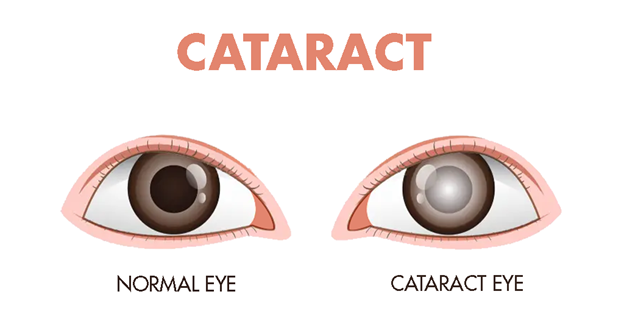
A cataract is the clouding of the eye’s natural lens, which lies behind the iris and the pupil. When proteins in the lens break down and clump together, they form a clouded area that affects vision. Cataracts develop slowly over time and can occur in one or both eyes, although they do not spread from one eye to the other.
Causes of Cataracts
There are several factors that can contribute to the development of cataracts:
- Aging: The most common cause, cataracts typically begin to develop around the age of 45-50 years but may not affect vision until later in life.
- Genetics: Family history can play a role in early onset cataracts.
- Injury to the Eye: Trauma, accidents, or previous surgeries can lead to the development of cataracts.
- Diabetes: People with diabetes have a higher risk due to changes in the blood sugar levels that affect the lens transparency.
- Prolonged UV Exposure: Exposure to the sun’s ultraviolet rays without adequate protection can increase the risk.
- Medications: Long-term use of steroids and certain medications can contribute to cataract development.
- Smoking and Alcohol: Smoking and excessive alcohol consumption are linked to an increased risk of cataracts.
Symptoms of Cataracts
Symptoms of cataracts tend to develop gradually over time and can include:
- Blurry Vision for Distance and Near: The most noticeable symptom, similar to looking through a foggy window.
- Faded Colors: Colors may appear less vibrant, as if a yellow or brown filter is over your vision.
- Sensitivity to Light: Bright lights may seem glaring or too intense.
- Halos Around Lights: Especially noticeable at night, halos around street lights or car headlights can be bothersome.
- Difficulty Seeing at Night: Cataracts often make night vision harder, leading to challenges with driving or reading in low light.
- Double Vision in One Eye: When the lens becomes distorted, it can cause double vision in one eye.
If you notice any of these symptoms, it’s important to consult an eye care professional to assess the progression of the cataract.
How Are Cataracts Diagnosed?
Comprehensive eye examination helps to diagnose cataract.
It basically includes:
- Visual Acuity Test: Progressive, painless loss of vision can be caused by the development of a cataract.
- Slit-Lamp Examination: This helps in evaluating the crystalline lens, which can detect the presence or development of a cataract in the eyes.
- Pupil Dilation Followed by Retinal Exam : Pupil dilation enables better visualization and recognition of the structures in the posterior segment. A retinal examination is a crucial part of the evaluation, as it rules out other causes of decreased vision along with cataract.
- Ancillary Tests: Measurements of intraocular pressure (IOP), refraction, and gonioscopy can help rule out cataract complications and other diseases associated with cataracts.
Types of Cataracts

There are different types of cataracts, each with unique characteristics:
- Nuclear Cataracts: Affect the center of the lens and are typically associated with aging.
- Cortical Cataracts: Occur on the outer edges (cortex) of the lens and gradually extend to the center.
- Posterior Subcapsular Cataracts: Forms at the back of the lens and tend to develop more quickly. Often found in those with diabetes or taking high doses of steroids.
- Congenital Cataracts: Present at birth or develop during childhood, usually due to genetic factors or maternal infections during pregnancy.
Treatment for Cataracts
Cataracts are not treatable, but can be managed. Management depends on the severity and impact of cataract in daily life.
1. Eyeglasses and Stronger Lighting
In the early stages, a simple change in your prescription for glasses or stronger lighting may improve vision. However, these are only temporary measures, as cataracts tend to worsen over time.
2. Cataract Surgery
Surgery is the most effective management option for cataracts and involves replacing the cloudy lens with an artificial one. This procedure is typically recommended when cataracts interfere with daily tasks such as reading or driving. Cataract surgery is highly successful and commonly performed under topical or local anesthesia on an outpatient basis.
The most common procedures are:
- Phacoemulsification (Phaco): A small incision is made, and the clouded lens is broken up with ultrasound waves before being removed.
- Small Incision Cataract Surgery (SICS): A modified manual technique where the cataract is removed through a smaller, self-sealing incision; suitable for advanced cases and offers faster recovery (compared to ECCE)
- Extracapsular Cataract Extraction (ECCE): Used in more severe stage and advanced cases, where a larger incision is required to remove the lens in one piece.
Most patients experience significant improvement in vision after surgery and can return to normal activities within a few days.
Recovery After Cataract Surgery
Expected Recovery Time: Most people notice improved vision within 1-3 days, with full benefits achieved in 3-6 weeks (dependent on severity of cataract and surgical technique employed). Complete healing may take up to 4 weeks, though eyes might not feel fully normal for up to a 2months in some cases.
Post-Surgery Care: Use prescribed eye drops as directed to prevent infection and reduce inflammation. Rest for the first 24-48 hours, avoid strenuous activities, heavy lifting, or rubbing the eyes for at least a week, and wear protective eyewear outdoors.
Follow-Up Visits: Schedule appointments typically the day after surgery, at one week, one month, and possibly 2-3 months to monitor healing and vision, or as per eye care practitioner.
When to Seek Help: Contact your doctor immediately if you experience severe pain, sudden vision loss, increased redness, swelling, discharge, flashes of light, new floaters, or a curtain-like shadow in your vision, as these may indicate infection or other complications.
Cataract Surgery Cost and Accessibility
The cost of cataract surgery can vary depending on several factors, including lens type, severity, the technology used (such as Phacoemulsification vs. ECCE), and whether the procedure is covered by insurance or government health schemes. Advanced techniques like Phacoemulsification or Femto-assisted surgery typically cost more but offer faster recovery and smaller incisions.
FAQs About Cataracts
Q1: Can cataracts come back after surgery?
No, cataracts cannot recur once the cloudy lens has been removed. However, some patients may develop a condition called posterior capsule opacification (PCO), which can be treated with a simple laser procedure.
Q2: How long does cataract surgery take?
Cataract surgery typically takes about 15–20 minutes, and you can usually go home the same day.
Q3: Are cataracts painful?
No, cataracts do not cause pain, though they may lead to mild discomfort due to glare and vision changes.
Q4: Can cataracts be prevented?
While cataracts cannot be completely prevented, wearing sunglasses with UV protection, maintaining a healthy diet, managing diabetes, and avoiding smoking can reduce the risk.
Q5: How do I know if I need cataract surgery?
If cataracts begin to interfere with your daily activities, such as reading, driving, or working, it may be time to consider surgery. Your eye care practitioner can assess your condition and recommend the best course of action.
Q6: Is cataract surgery safe?
Q7: What is the best age for cataract surgery?
Q8: What type of lens is used during cataract surgery?
Q9: Can both eyes be operated on at the same time?
Q10: Will I still need glasses after cataract surgery?
Q11: How do I prepare for cataract surgery?
Q12: Does cataract surgery improve night vision?
Key Takeaways
- Cataracts are a common condition, especially among older adults, caused by the clouding of the lens inside the eye.
- Aging, genetics, UV exposure, diabetes, smoking, and certain medications are key contributors to cataract formation.
- Common symptoms include blurry vision, faded colors, sensitivity to light, and difficulty seeing at night.
- Cataracts can be managed early with prescription eyeglasses, but surgery is the most effective treatment when vision impairment becomes significant.
- Cataract surgery is a safe and widely performed procedure that can restore clear vision.
Cataracts don’t have to mean the end of clear sight. With modern advances in eye care and surgery, cataracts are manageable and treatable, giving millions of people around the world the chance to regain their vision and continue living active lives.