What is Age-Related Vision Care?
As individuals age, the eyes undergo natural changes that can impact vision and overall eye health. These changes may include reduced ability to focus, increased susceptibility to dryness, or the development of age-related conditions such as cataracts or glaucoma. Proper eye care in the aging population ensures the early detection and management of these conditions, helping maintain independence and quality of life.
Specific Age-Related Eye Conditions
- Presbyopia
- A natural loss of near vision due to reduced lens flexibility, often beginning after age 40 yrs.
- Cataracts
- Clouding of the eye’s lens, leading to blurry vision and increased sensitivity to light.
- Age-Related Macular Degeneration (AMD)
- A progressive condition affecting the macula, which is critical for sharp central vision.
- Glaucoma
- Damage to the optic nerve often caused by increased intraocular pressure, potentially leading to vision loss.
- Dry Eye Syndrome
- A decrease in tear production or poor tear quality, leading to discomfort and blurry vision.
- Diabetic Retinopathy
- Damage to the retina’s blood vessels in individuals with diabetes, causing vision impairment.
(IMAGES HERE)
Causes of Vision Changes in Aging
- Natural Aging Process: Gradual loss of lens elasticity, decreased pupil size, and reduced tear production.
- Chronic Conditions: Diabetes, hypertension, and autoimmune disorders.
- Lifestyle Factors: Smoking, prolonged UV exposure, and poor diet.
- Family History: Genetic predisposition to conditions like glaucoma or AMD.
Symptoms and Signs of Vision Problems
- Difficulty focusing on close objects or reading fine print.
- Blurred or cloudy vision.
- Increased sensitivity to glare or light.
- Frequent changes in eyeglass or contact lens prescriptions.
- Difficulty seeing in low light or at night.
- Reduced peripheral vision or blind spots.
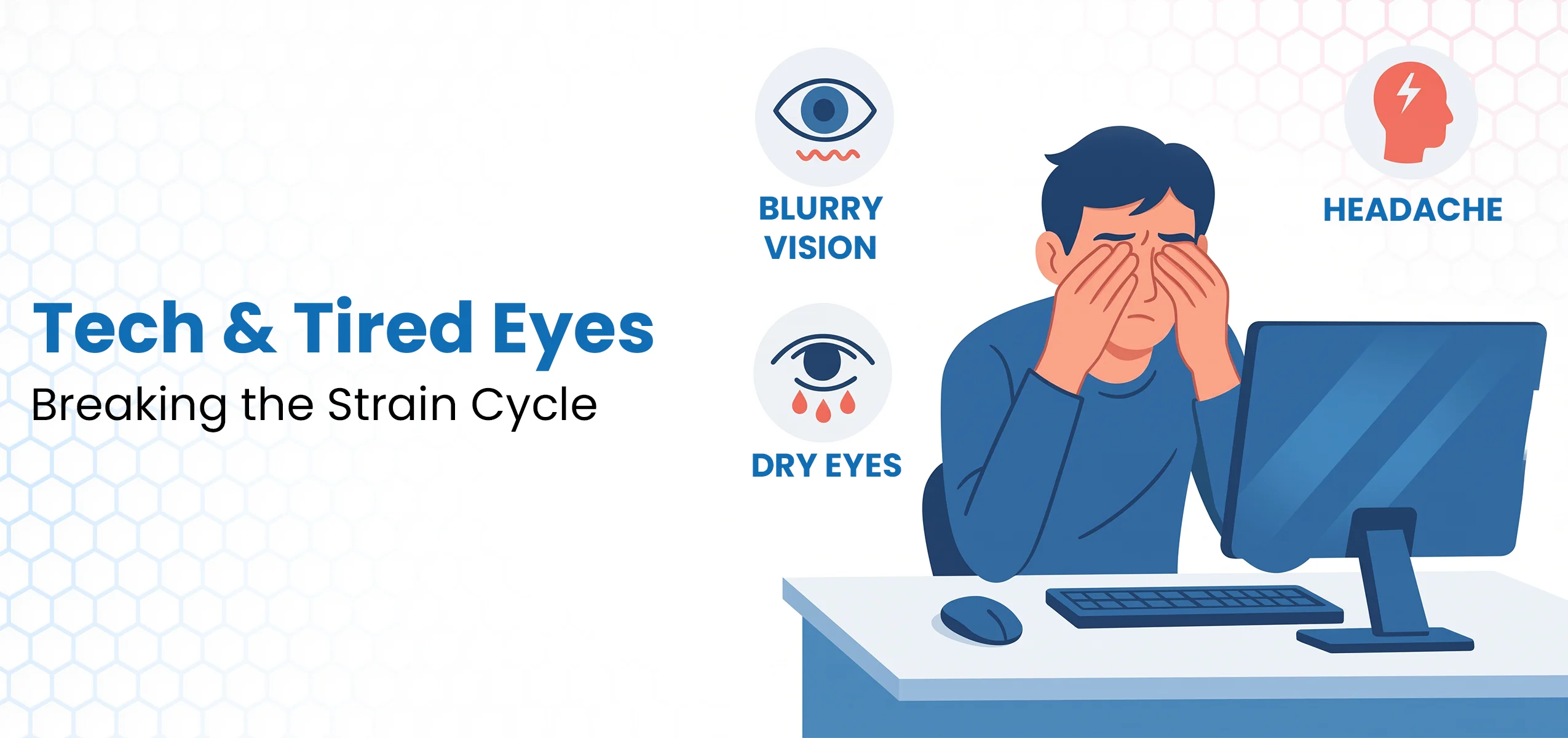
- Eye strain, dryness, or discomfort.
Types of Vision Care for the Aging Population
- Preventive Care
- Regular eye examinations to detect issues early.
- Lifestyle modifications to reduce risk factors.
- Restorative Care
- Treatments such as cataract surgery or glasses for presbyopia.
- Management of chronic conditions like glaucoma or AMD.
- Supportive Care
- Use of low-vision aids for severe vision impairment.
- Counseling and resources to enhance daily living.
Treatment and Management
1. Regular Eye Exams:
- Annual comprehensive exams to monitor eye health and detect early signs of conditions.
2. Prescription Updates:
- Periodic adjustments to eyeglasses or contact lenses to maintain optimal vision.
3. Cataract Surgery:
- A common and effective procedure to restore vision in individuals with significant cataracts.
4. Medications:
- Eye drops for glaucoma or dry eye management.
- Antioxidant supplements for AMD as recommended by a doctor.
5. Lifestyle Adjustments:
- Adopting a diet rich in vitamins A, C, E, and omega-3 fatty acids.
- Quitting smoking and minimizing alcohol consumption.
6. Low-Vision Aids:
- Magnifying glasses, large-print books, and adaptive devices for daily tasks.
Prevention Tips
- Regular Eye Exams:
- Early detection of problems can prevent severe vision loss.
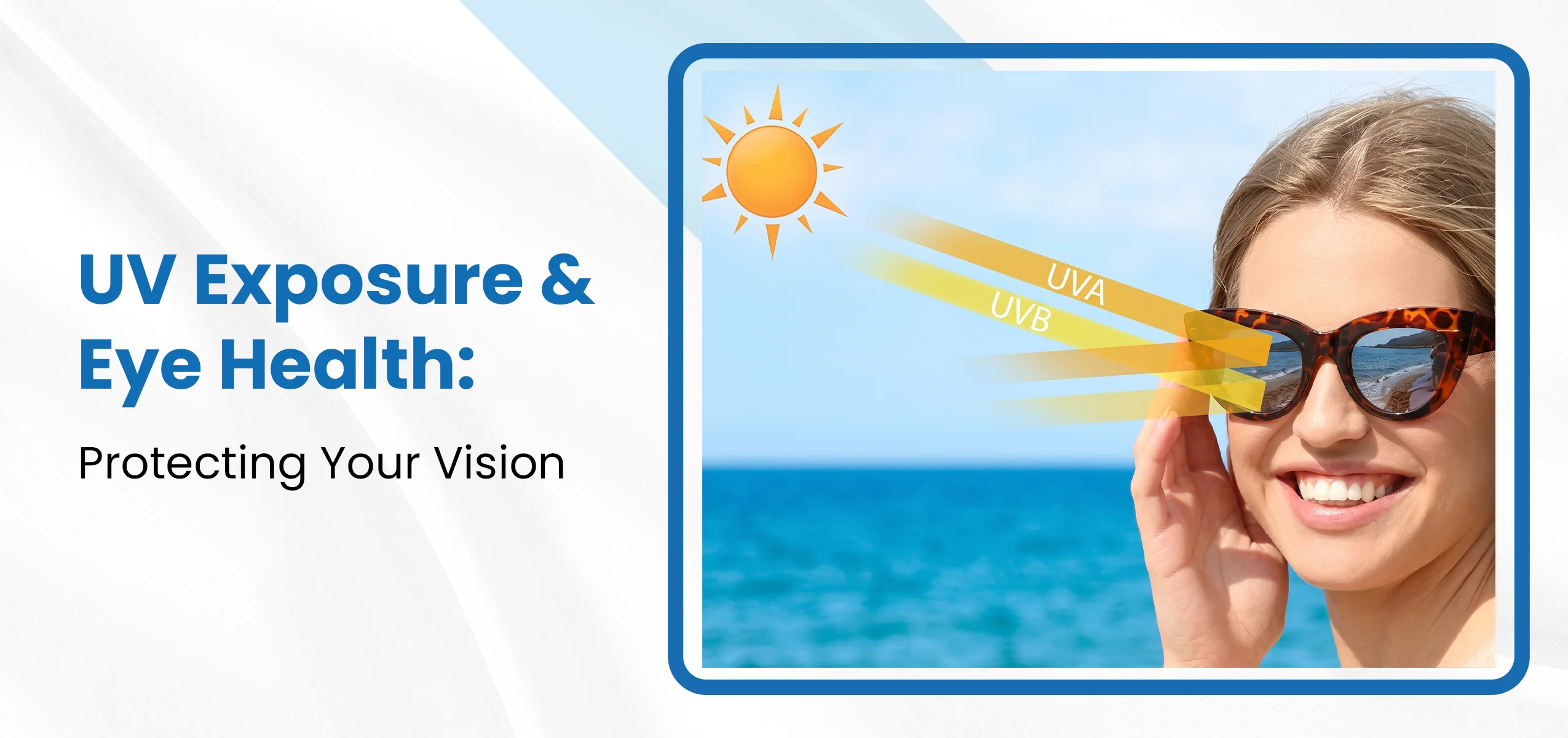
- Protect Your Eyes from UV Rays:
- Wear sunglasses with UV protection to reduce the risk of cataracts and AMD.
- Maintain a Healthy Diet:
- Include leafy greens, fish, nuts, and fruits that are rich in antioxidants and essential fatty acids.
- Control Chronic Conditions:
- Manage diabetes, blood pressure, and cholesterol levels to prevent complications like diabetic retinopathy.
- Stay Active:
- Regular physical activity improves blood circulation, supporting overall eye health.
- Quit Smoking:
- Smoking increases the risk of cataracts, AMD, and other eye diseases.
- Practice Digital Eye Strain Prevention:
- Follow the 20-20-20 rule: Every 20 minutes, look at something 20 feet away for 20 seconds to reduce eye strain.
- Keep Surroundings Safe and Well-Lit:
- Proper lighting and removal of hazards can prevent falls and injuries.
FAQs
1. How often should seniors have their eyes checked?
Seniors should have a comprehensive eye exam annually or as advised by their eye care provider.
2. Can age-related eye problems be reversed?
While some conditions like cataracts can be treated with surgery, others like AMD require ongoing management.
3. What is the most common vision problem in aging adults?
Presbyopia and cataracts are among the most common issues.
4. Are there specific foods that improve vision?
Yes, foods rich in vitamins A, C, E, lutein, zeaxanthin, and omega-3 fatty acids support eye health.
5. Can eye exercises improve aging vision?
While eye exercises may help with strain, they do not reverse structural changes caused by aging.
6. Should seniors use eye drops regularly?
Over-the-counter lubricating drops can alleviate dryness but consult a doctor for other treatments.
7. Are supplements helpful for preventing vision problems?
Certain supplements like AREDS2 may help manage AMD but should only be taken under medical supervision.
8. How does aging affect night vision?
Aging reduces pupil size and the eye’s ability to adjust to low light, making night vision challenging.
9. What are the warning signs of serious eye problems?
Sudden vision loss, flashes of light, severe pain, or floaters warrant immediate medical attention.
10. Is it normal for vision to change with age?
Yes, gradual changes are expected, but significant or rapid changes should be evaluated by a professional.
Key Takeaway
Age-related eye care is essential for maintaining independence and quality of life. Regular check-ups, a healthy lifestyle, and prompt management of emerging conditions can help preserve vision and overall well-being in older adults.