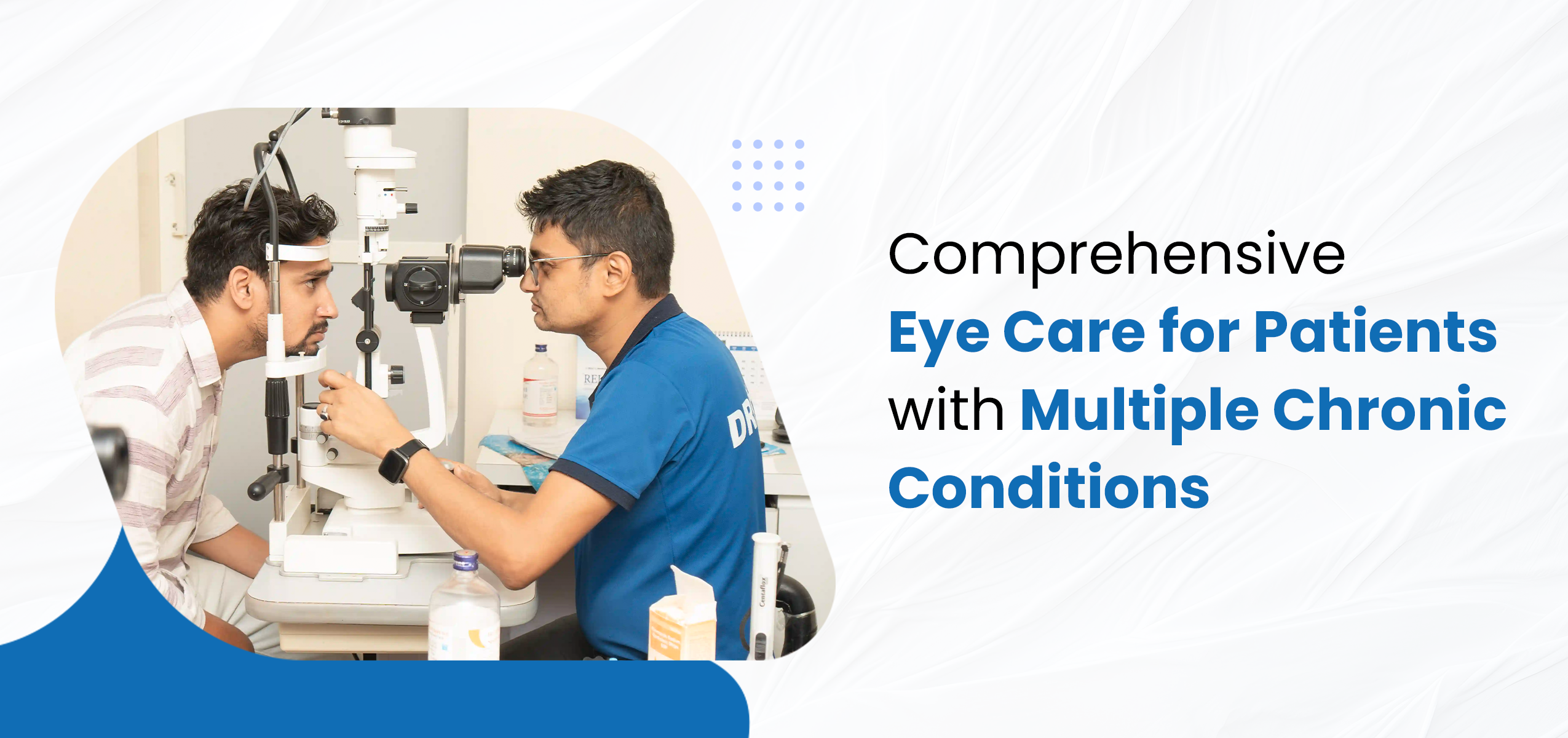
SMILE Surgery: A Revolutionary Approach to Vision Correction
Small Incision Lenticule Extraction (SMILE) is a cutting-edge laser eye surgery designed to correct refractive errors with minimal disruption to the corneal structure. As a newer alternative to LASIK and PRK, SMILE combines precision, safety, and a shorter recovery time, making it a preferred choice for many patients. This comprehensive guide covers everything you need to know about SMILE, including its usage, indications, contraindications, precautions, results, risks, and an FAQ section.
What is SMILE Surgery?
SMILE is a minimally invasive refractive surgery that uses a femtosecond laser to create a small lenticule (a thin, disc-shaped piece of tissue) within the cornea. This lenticule is removed through a tiny incision, reshaping the cornea to correct vision. Unlike LASIK, SMILE does not require creating a corneal flap, which reduces the risk of flap-related complications.
SMILE is highly effective for correcting:
- Myopia (Nearsightedness): Difficulty in seeing distant objects clearly.
- Astigmatism: Blurred or distorted vision caused by an irregularly shaped cornea.
Usage of SMILE Surgery
SMILE is used to:
- Provide a minimally invasive solution for refractive error correction.
- Reduce dependency on glasses or contact lenses for clearer vision.
- Offer a suitable alternative for individuals who may not be ideal candidates for LASIK.
The SMILE Procedure: Step-by-Step
- Preparation:
- Numbing eye drops are applied to prevent discomfort.
- The patient is positioned under the laser system.
- Creation of the Lenticule:
- A femtosecond laser is used to create a thin lenticule within the cornea.
- Removal of the Lenticule:
- A tiny incision (2-4 mm) is made, and the lenticule is carefully removed.
- Reshaping the Cornea:
- The removal of the lenticule alters the corneal curvature to improve vision.
The entire procedure takes about 10-15 minutes per eye, with the laser application lasting only a few seconds.
Indications for SMILE Surgery
SMILE is suitable for individuals who meet these criteria:
- Age: 18 years or older with stable vision for at least one year.
- Refractive Error Range:
- Myopia up to -10.00 diopters
- Astigmatism up to -3.00 diopters
- Healthy Eyes: No active infections, severe dry eyes, or corneal diseases.
- Desire to Reduce Eyewear Dependence: Particularly beneficial for athletes and individuals with active lifestyles.
Contraindications of SMILE Surgery
SMILE may not be suitable for individuals with:
- Autoimmune Disorders: Conditions like lupus or rheumatoid arthritis that hinder healing.
- Unstable Vision: Significant changes in prescription over the past year.
- Pregnancy or Breastfeeding: Hormonal fluctuations can affect vision stability.
- Corneal Irregularities: Such as keratoconus or corneal scarring.
- Severe Dry Eyes: Can be exacerbated post-surgery.
Precautions Before SMILE Surgery
- Discontinue Contact Lenses: Avoid soft lenses for at least 2 weeks and rigid lenses for at least 3-4 weeks before surgery.
- Comprehensive Eye Evaluation: Ensure accurate assessment of corneal thickness and refractive stability.
- Avoid Eye Makeup: Do not wear makeup or apply lotions around the eyes on the day of surgery.
Precautions After SMILE Surgery
- Use Prescribed Medications: Follow the doctor’s instructions for antibiotic and lubricating eye drops.
- Avoid Eye Rubbing: Prevent accidental irritation or infection.
- Protect Your Eyes: Wear sunglasses outdoors to shield against UV rays.
- Limit Physical Activity: Avoid strenuous exercise and swimming for at least a week.
- Regular Follow-Ups: Attend scheduled check-ups to monitor healing progress.
Results of SMILE Surgery
SMILE provides excellent visual outcomes with a high success rate:
- Rapid Improvement: Vision begins to improve within 24-48 hours, with full clarity achieved over a few weeks.
- Permanent Correction: The results are long-lasting, though age-related changes (presbyopia) may occur later in life.
- High Satisfaction Rate: Over 95% of patients achieve 20/25 vision or better.
Risks and Complications of SMILE Surgery
While SMILE is highly safe, potential risks include:
- Temporary Dry Eyes: Managed with lubricating eye drops.
- Light Sensitivity: Common initially but diminishes over time.
- Undercorrection/Overcorrection: Enhancements may be needed in rare cases.
- Halos or Glare: Especially at night, but these effects typically fade with healing.
Advantages of SMILE Surgery
- Minimally Invasive: No corneal flap is created, reducing risks and enhancing recovery.
- Shorter Healing Time: Less disruption to corneal nerves leads to faster recovery.
- Reduced Dry Eye Risk: Minimal impact on the corneal surface.
- Precision and Customization: Advanced laser technology ensures accurate outcomes.
Conclusion
SMILE surgery is a revolutionary advancement in vision correction, offering a minimally invasive and highly effective solution for myopia and astigmatism. With its rapid recovery, minimal discomfort, and excellent outcomes, SMILE is an excellent choice for those seeking freedom from glasses or contact lenses. Consult a qualified eye surgeon to determine if SMILE is right for you and take a confident step toward clearer vision.